The ReviewBytes Blog
Discover the latest articles and community news
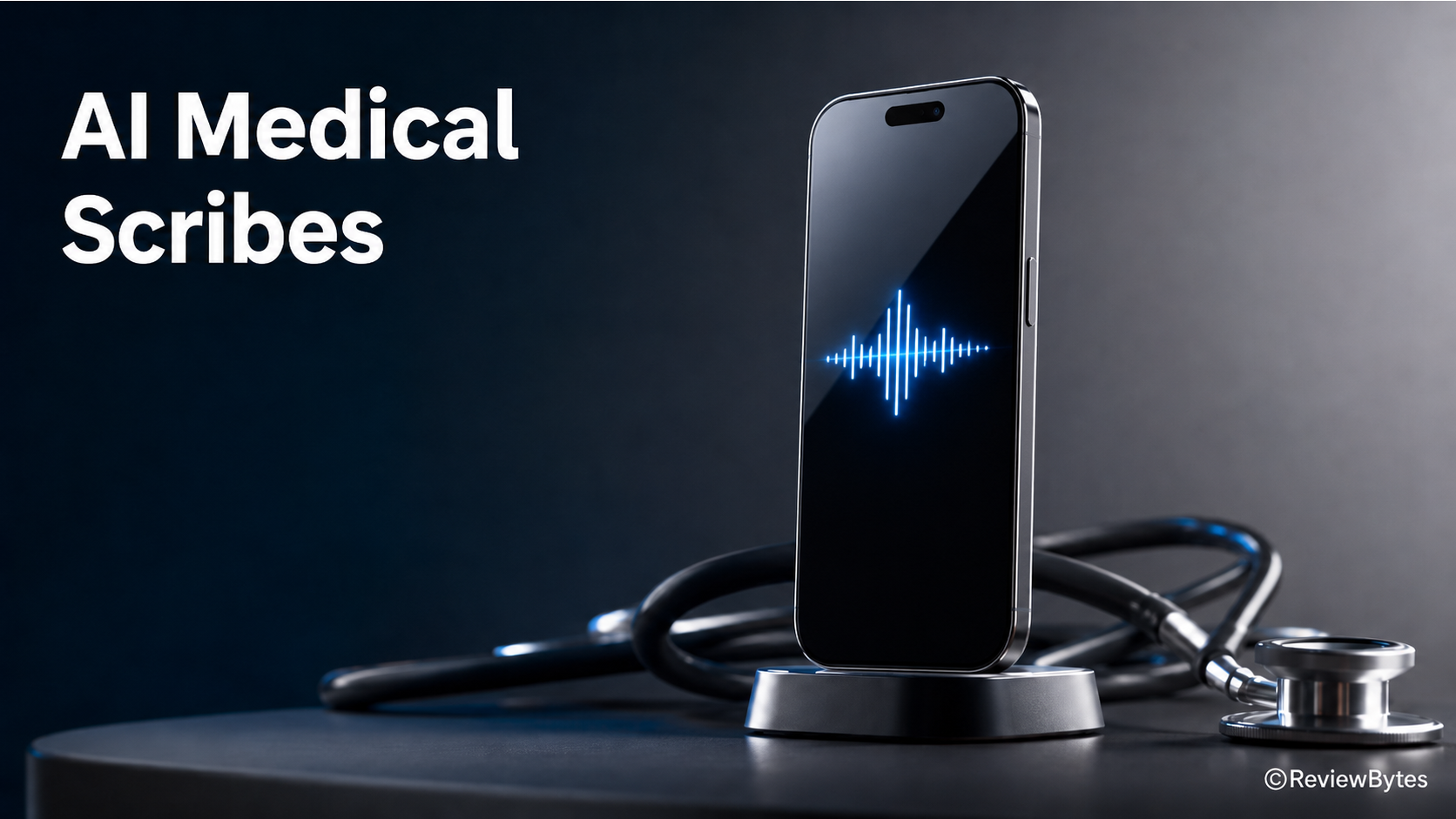
AI Medical Scribes in Internal Medicine and Subspecialties: An Evidence-Based Review of the Ambient AI Landscape
Ambient AI scribes are genuinely useful for Internal Medicine and subspecialty clinicians—but the most important truth about them in 2026 is not that one brand wins; it is that every drafted note still requires the same thing: a clinician who knows what is in that chart and takes full editorial responsibility before signing. That framing…
Updated on: May 22, 2026 | Author: Ranjan Pathak MD MHS FACP

Explore all recent blogs
The 5-Day Rotation Switching Algorithm: A Practical Ramp for Safer, Faster Clinical Readiness
Yes, most rotation switches become manageable when you treat the first five days as a structured readiness ramp, not as a verdict on your competence. The algorithm is straightforward: Day 1 observe the system, Day 2 learn the common decisions, Day 3 identify risks, Day 4 ask for targeted feedback, and Day 5 reset the…
Updated on: July 17, 2026 | Author: Ranjan Pathak MD MHS FACP

Answers Are Everywhere. Readiness Is Personal: Why Clinicians Need a New Way to Study in the Age of Medical AI
Yes: medical education has entered a new era in which the hard part is no longer finding answers, but knowing what you personally need to master next. Medical AI tools, search engines, question banks, and content libraries can now retrieve, summarize, and explain clinical knowledge with remarkable speed. But for a medical student facing boards,…
Updated on: July 9, 2026 | Author: Ranjan Pathak MD MHS FACP

AI Tools for Clinical Learning: Why OpenEvidence, Doximity, UpToDate, and ReviewBytes Are Changing Board Prep and Point-of-Care Practice
AI tools are already reshaping clinical learning and point-of-care support, but the winning platforms will be the ones that combine trustworthy evidence, personalization, workflow fit, and transparent guardrails. This is not simply a story about replacing UpToDate, question banks, or medical reference libraries. It is a shift in how doctors, residents, medical students, physician assistants,…
Updated on: July 1, 2026 | Author: Ranjan Pathak MD MHS FACP

The Match-to-Start Gap: Turning Waiting Time Into Readiness Time
Use the match-to-start gap as a narrow readiness window: not to become fully ready, but to become much less brittle before day one. The period after Match Day and before residency, fellowship, or a new PA/NP role can feel strangely suspended: you are done with one identity but have not fully entered the next. The…
Updated on: June 24, 2026 | Author: Ranjan Pathak MD MHS FACP

Switching Subspecialties Without Starting Over: A Field Guide for Clinical Transition Readiness
You do not start over when you switch subspecialties; you start over locally, not professionally. The anxiety is real, but it is often mislabeled. Moving from cardiology to GI, inpatient to outpatient, ICU to clinic, or primary care to specialty care is not a wipeout of your training, it is a recalibration of your clinical…
Updated on: June 18, 2026 | Author: Ranjan Pathak MD MHS FACP

What the 2026 USMLE Format Changes Teach Us About Readiness
The 2026 USMLE format changes teach us that readiness is not just content knowledge; it is the ability to apply knowledge repeatedly under a changed rhythm, with pacing, stamina, attention, and calibration intact. The practical bottom line The practical change is straightforward: Step 1 and Step 2 CK remain long, one-day licensing exams, but the…
Updated on: June 13, 2026 | Author: Ranjan Pathak MD MHS FACP

First Call Readiness: Scripts for Pages, Nights, and Escalation Without Pretending You Know Everything
First-call readiness means having a reliable script for receiving pages, presenting urgent changes, and escalating uncertainty, not pretending you can independently manage every high-risk inpatient problem alone. The first nights of internship, residency, fellowship, or a new inpatient APP role are not a test of heroic independence. They are a test of whether you can…
Updated on: June 5, 2026 | Author: Ranjan Pathak MD MHS FACP

The First 72 Hours of a New Rotation: A Clinical Readiness Checklist for Medical Learners
In the first 72 hours of a new rotation, readiness means learning the local workflow, identifying the high-frequency decisions, and calibrating expectations with supervisors—not trying to know everything on day one. This field guide is for medical students, residents, fellows, physician assistants, nurse practitioners, and other APP trainees who are tired of feeling as if…
Updated on: May 29, 2026 | Author: Ranjan Pathak MD MHS FACP

Beyond Burnout: The ABCDE Framework for Transforming Your Oncology Practice
Yes—oncology burnout is real, measurable, and largely preventable, and the ABCDE Framework gives busy clinicians at every career stage, from residents grinding through in-training exams to NPs and PAs newly onboarding to hematology practices, a structured, evidence-grounded system to reclaim workflow control without sacrificing the patient care that brought them to this field. The 5:30…
Updated on: May 15, 2026 | Author: Ranjan Pathak MD MHS FACP

Readiness as Professional Identity: How Going From Competent to Trusted Makes You the Clinician Everyone Counts On
Being genuinely ready—for your boards, for clinical transitions, for the unexpected question in the hallway—is the single most transformative investment you can make in your professional identity, and it pays dividends that no credential alone ever will. This isn't a motivational speech. It's a clinician-to-clinician conversation about what the evidence and lived experience of medicine…
Updated on: May 8, 2026 | Author: Ranjan Pathak MD MHS FACP

Join The ReviewBytes Community
Subscribe to our mailing list and get exclusive tips. Connect with our community & much more.