At ReviewBytes, we believe readiness is about more than passing exams. It is about building the knowledge, judgment, confidence, and adaptability needed to succeed in high-stakes transitions across training and practice. That is why we are launching Educator Spotlight, a new series featuring influential educators whose work is shaping how learners prepare for the moments that matter most.
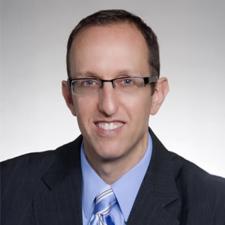
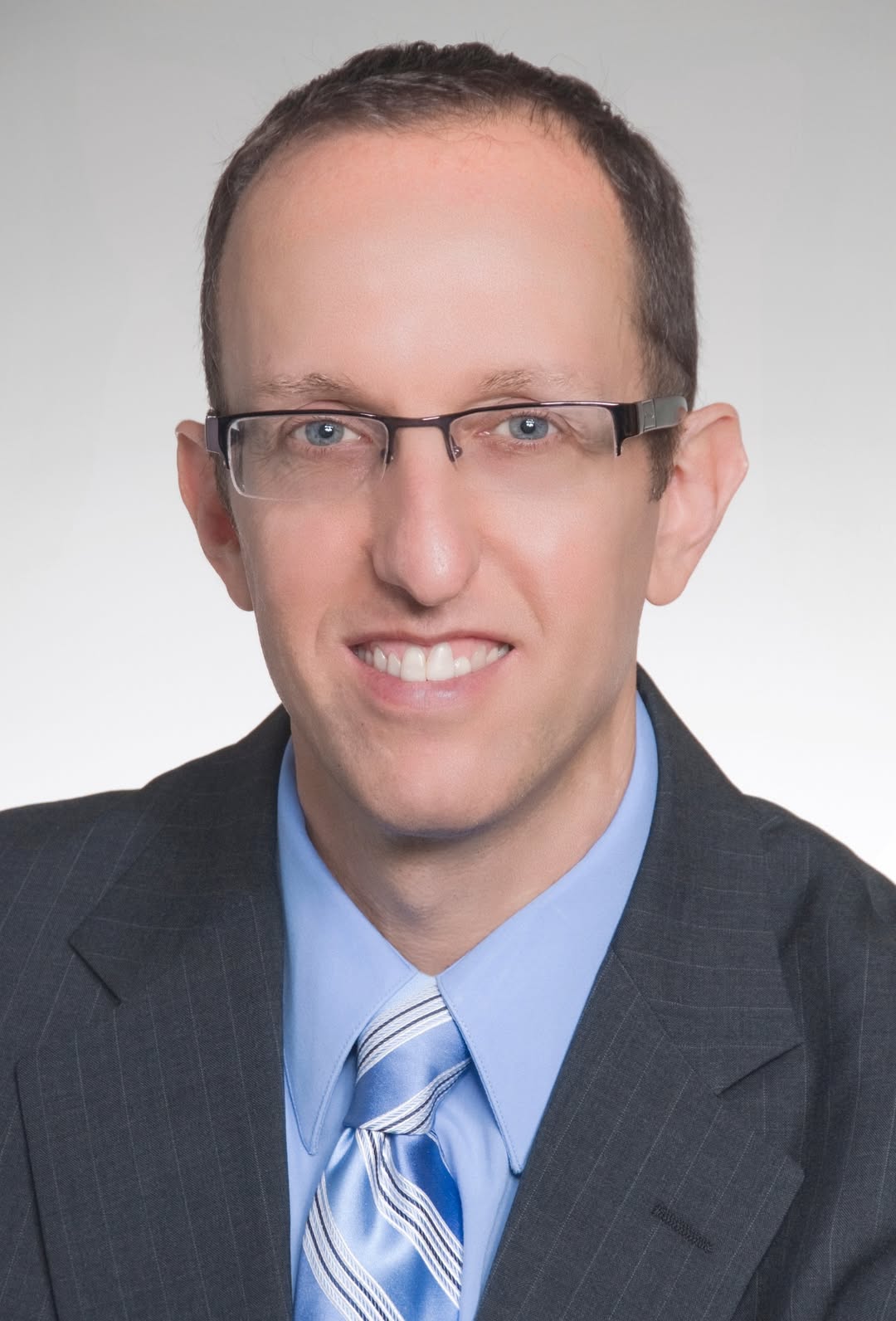
We are honored to begin with Dr. Anthony Donato, MD, MHPE, of Tower Health. A deeply respected physician, educator, and mentor, Dr. Donato brings both expertise and heart to the conversation. In this interview, he shares thoughtful reflections on learning, clinical reasoning, self-forgiveness, mentorship, and the human side of medicine. His words are a powerful reminder that success is not only about what we know, but also about how we care, grow, and show up for others when it matters most.
What first drew you to medicine, and what continues to inspire your work as an educator?
To be a doctor is to teach. The name “doctor” comes from the Latin ‘docere’ (“to teach or to show”). We teach our patients about their health, help them through the processes of aging, death and dying as their guide. IE always loved science, but sharing scientific concepts with people made me most fulfilled, so medicine was a great fit. One of my favorite teachers, Eckhart Tolle, says “the teacher and the taught together create the teaching”, and that has also been my experience, especially working with wonderful residents and colleagues like Dr. Pathak-I get to grow with all of my teaching experiences.
Looking back on your own training, what learning habit or strategy helped you most during exams or important transitions?
These are possibly two different questions. Testing strategies I give often: Use question banks to identify knowledge gaps. Build illness scripts out of what you missed and store them on flash cards. Use these over time with spaced repetition. The question stem usually has critical information that may embellish your illness scripts. Build scripts that use key discriminators to differentiate among top differentials. The ultimate goal is a plastic, flexible disease representation that can be triggered in any problem representation. During transitions? Consult a lot at first until you already know what they are going to say. Forgive yourself when you get it wrong. As a physician you may think you are gaining significant power over disease and death, but this power is an illusion. The love you show your patients through their transitions are the true healing powers of a physician, not what is given from the pen and the prescription pad.
What is one challenge facing today’s learners that you believe deserves more attention?
Clinical reasoning is under considerable threat by artificial intelligence. The answers are at our fingertips faster than they ever have been but it still will take a physician to question, test, and translate into patient care.
With so much information competing for attention, how can learners focus on what matters most?
Clinical practice. Application of medical knowledge, systems, making it work for patients will teach you what you really need to know. Change is inevitable; the speed of that change appears to be accelerating. Get out there and learn by doing; reflect with a senior mentor on how to do it better.
What does meaningful readiness training look like to you, both for exams and for major transitions in training or practice?
Evaluation systems drive student learning. Modern medicine has developed a particularly reductionist evaluation system that favors memorization of single associations over deeper learning, now with the addition of artificial intelligence to the equation. In doing so, we are inadvertently prioritizing medical knowledge over other skills. Meaningful readiness training blends the competencies with soft skills and adaptability and is critical to success in actual practice.
What is one piece of advice you would give to learners preparing for their next big step?
Self-care. It seems obvious, but do what your mother told you. Get a good night sleep. No, three cups of coffee is not a replacement. Exercise. Unload your sadness, and not in your wine glass. Share the highs and lows with your loved ones, even if they are not physicians. You are not Superman, and in sharing and having them help you, you will bring them closer while you recover. Forgive yourself when you get it wrong. When you learn to do that, it will be much easier for you to let go and forgive the others in your life. The greatest jobs on the planet are the ones attached to meaning. This profession has abundant meaning, but it is generally not found where most physicians are looking for it.
How do you see AI shaping medical education, and where do you think human mentorship remains essential?
See my prior discussion of clinical reasoning. AI has the potential to de-personalize medicine even further than it is already; this generation of teachers must help guide its rollout to preserve both the patient- physician relationship and the nature of physicianship for the next generation.
What do you hope the future of medical education looks like over the next several years?
While the delivery of lessons and information will change, the most important parts-the relationship between teacher and learner-will still be just as vital. And I am not going anywhere.
Dr. Donato’s note: Artificial intelligence was not used in the creation of any of these answers. These are just from the heart. :)